

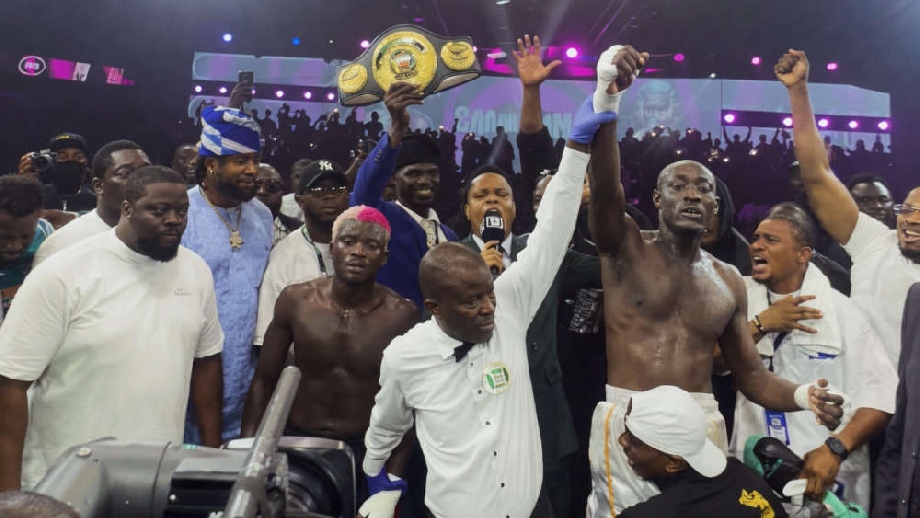
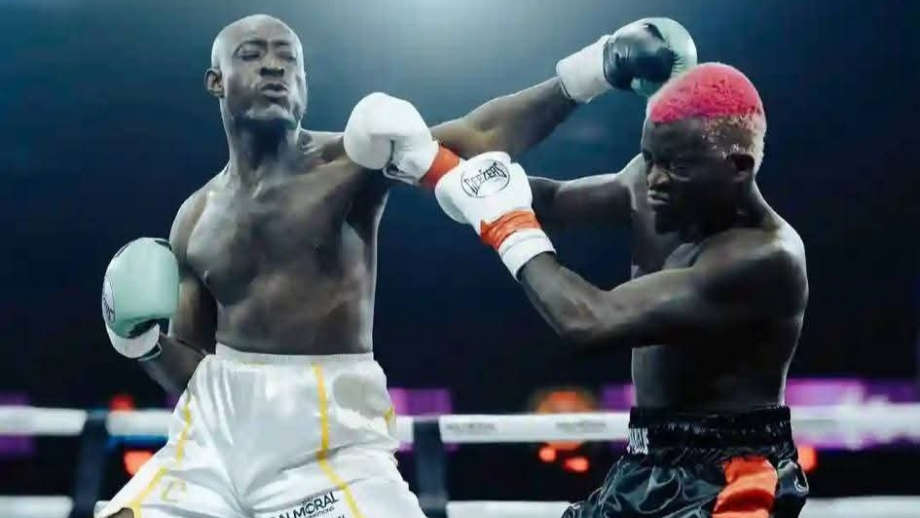
When Nigerian singer Portable stepped into the ring with skit maker Carter Efe on May Day (May 1), it was more than just a fight.
It was a spectacle.
The celebrity boxing match tagged "Chaos in the Ring 4" streamed live on DAZN, one of the world's biggest sports broadcasters, and drew huge attention online and offline.
Fans, celebrities, and wealthy backers flooded the venue in Lagos.The buzz was so intense that chaos broke out, with security even using tear gas to control crowds trying to force their way in.
Inside the ring, Carter Efe won by unanimous decision and reportedly took home a ₦50 million prize, showing just how much money and attention such events can attract.
But beyond the drama, the fight between two non-athletes or non-sportspeople has sparked a deeper question: can private investment finally transform Nigerian sports?
For sports analyst and administrator Ibukun Aluko, the answer is yes, but only if things change.
“One thing that has stalled in Nigeria is other sports,” Aluko said in an interview with our correspondent.
“The fact that we’ve prioritised football so much has affected other sports.”

Ibukun Aluko, sports analyst and administrator
While football dominates headlines and funding, sports like boxing, basketball, and wrestling struggle for attention.
Yet the Portable vs. Carter Efe fight shows what is possible when entertainment, money, and media come together.
The event itself was carefully designed for visibility.
Organisers chose celebrities with large followings to attract fans who might not usually watch boxing.
Still, Aluko warns that private investment alone cannot fix the system.
“How are they going to get their money back?” he asked.
“What kind of publicity does boxing have in Nigeria?”
He said many investors enter the sports sector with excitement, but soon face losses.
He cited failed football club projects and wasted opportunity athletes who spend millions each sports season but earn little in return.
“There is no proper remuneration for hard work in Nigerian sports,” he said.
This creates a cycle where investors eventually pull out.
“These guys will get tired.
"It’s just like you’re running a charity organisation,” Aluko added.
His solution, however, is simple: partnership.
“Government has the pocket," he began.
"The private investors have got the structure.
“It will work out well any day, any time.”
It does not take a genius to see how this model has worked in other countries, especially in football, where Nigeria's sports industry seems domiciled.
It also does not take a genius to see where government support helps reduce risk while private companies bring innovation and marketing power in other countries.
The success of celebrity boxing may be a glimpse into the future of a sports industry driven by entertainment, media rights, and fan engagement.
But for Nigeria to truly benefit, Aluko believes the excitement must go beyond one-off events.
“If we pump as much money we pump in football to other sports, in the next, probably five, 10 years, we'll see significant change.”
For now, the lights have dimmed on the celebrity ring, but the bigger fight to build a sustainable sports economy is just beginning.



Comments
Add a comment